Skip to content

Every April 25th, as dawn breaks over Sydney's Hyde Park, thousands gather in solemn silence. The air is thick with remembrance, poppies adorn lapels, and the Last Post echoes through the morning mist. This poignant ritual honors the Anzac Memorial, a towering symbol of sacrifice and national pride that stands as one of Australia's most revered landmarks.
Built in the 1930s to commemorate the Australian and New Zealand Army Corps (ANZAC) who fought in World War I, the Anzac Memorial serves far more than as a static monument. Its intricate sculptures, Hall of Memory, and eternal flame encapsulate the courage, loss, and resilience of those who served. For beginners exploring Australian history, understanding this site offers a gateway to grasping the nation's identity.
In this analysis, we delve into the Anzac Memorial's rich history, from its inception amid the Great War's aftermath to its architectural marvels. We explore its profound significance in fostering unity and reflection, especially on Anzac Day. Finally, we examine its enduring legacy in shaping modern commemorations and inspiring future generations. Whether you are visiting Sydney or simply curious about our shared past, join us on this journey to uncover why the Anzac Memorial remains a beacon of honor.
The History and Significance of the Anzac Memorial
The Anzac Memorial in Sydney's Hyde Park stands as New South Wales' principal tribute to the soldiers of the Australian and New Zealand Army Corps. Established in 1934, it honors the sacrifices made during World War I. Fundraising began on the first anniversary of the Gallipoli landings in 1916, led by returned soldiers' groups. The Anzac Memorial (Building) Act of 1923 created a board of trustees to oversee construction with public donations and government support. Architect C. Bruce Dellit and sculptor Rayner Hoff designed its striking Art Deco structure using local materials like Bathurst granite. For detailed origins, see the official NSW Anzac Memorial history or Wikipedia entry.
This memorial centers on the Gallipoli campaign of April 25, 1915, where ANZAC forces landed and embodied the spirit of endurance and mateship. It commemorates Australia's 60,000 World War I dead from a population of just 4.5 million. Features like the Hall of Silence, with its "Sacrifice" sculpture of a fallen soldier cradled by grieving women, and gilded stars for each New South Wales service member evoke deep loss. Over time, it expanded to honor all conflicts, with additions like the 2018 Centenary Extension featuring soil from enlistees' hometowns. In 2026, the 111th anniversary of Gallipoli will highlight youth engagement through school programs and vigils, fostering intergenerational reflection. Today, it hosts exhibitions and services under the Anzac Memorial Act 2025, as outlined on the official about page.
Culturally, the Anzac Memorial anchors dawn services that draw millions nationwide, with 2024 seeing peaks in cities like Sydney and Melbourne after COVID rebounds, per News.com.au reports. Attendance dipped post-2015 Gallipoli centenary, such as Canberra's crowds falling from 120,000 to 35,000, amid concerns over youth interest, as noted in The Guardian. Yet, recent stability shows enduring commitment.
For families, its symbols offer quiet solace amid grief. The memorial resonates with the 581,000 Australians (2.8% of the population aged 15+) who have served in the Australian Defence Force, per AIHW's 2021 Census data. This shared history invites gentle remembrance, much like personal tributes that hold space for loved ones' legacies.
Key Features of Sydneys Anzac Memorial
The Hall of Silence and Iconic Sculptures
At the heart of Sydney's Anzac Memorial lies the Hall of Silence, a circular chamber crafted for quiet reflection. Its white Ulam marble floor sets a serene stage, centered by the bronze sculpture Sacrifice by George Rayner Hoff. This powerful work shows a fallen warrior cradling a comrade, lit by a symbolic flame and natural light from the oculus above. The walls bear inscriptions of World War I battles, inviting visitors to pause and honor those lost. Surrounding sculptures depict virtues like endurance and faith, adding layers of meaning. All these elements, detailed on the official Anzac Memorial site, create a space of profound dignity.
Free public exhibitions enhance this tribute. Ongoing displays, such as the Centenary Exhibition and Veteran Artist in Residence works, share personal veteran stories through artifacts and art. In 2026, expect the RSL and Schools Remember ANZAC Art Exhibition from March 26 to May 10, alongside the World War I Postcard Exhibition. These are accessible daily from 9am to 5pm, with no admission fee, welcoming all seekers of remembrance. Check hours and admission details for planning a visit.
Symbolic Grecian Urns and Personal Remembrance
In the adjacent Hall of Service, Grecian urns hold soil from battlefields like Gallipoli and Vietnam, alongside soil from 100 global sites. This ringed installation symbolizes shared sacrifice and communal memory, echoing ancient traditions of honoring the departed with earth and remains. Such elements gently connect public memorials to private acts of remembrance, like selecting urns for ashes to safeguard a loved one's essence with care and symbolism.
A Space for Solace and 2026 Relevance
The Memorial's reflective pools and sound-absorbing halls offer grieving families a gentle place for tribute, fostering emotional steadiness. Amid 2026's global conflicts, exhibitions on veteran journeys, including Indigenous stories, draw renewed youth interest, as noted in The West Australian. With school programs and rising attendance at dawn services, it sustains the spirit of remembrance for new generations. These features provide steady solace, honoring service with lasting respect.
Anzac Memorials Across Australia and Worldwide
Australia holds numerous Anzac memorials that provide serene spaces for remembrance. The National Anzac Centre in Albany, Western Australia, stands out as a poignant site. Opened in 2014, it immerses visitors in the stories of 32 historical figures through interactive exhibits. Overlooking King George Sound, the departure point for the first ANZAC convoy in 1914, it hosted Australia's inaugural dawn service in 1916. Families find comfort here during Anzac Day events, including gun salutes and services.
In South Australia, the Macclesfield ANZAC Memorial Garden offers a dedicated scattering ground for veteran ashes. This two-acre native haven, established in 2009, features inscribed pavers honoring locals from various conflicts. Maintained by RSL volunteers, it provides a peaceful wildlife area for reflection and picnics. Families can arrange dignified scattering by appointment, fostering a sense of connection among comrades.
Worldwide, the Commonwealth War Graves Commission (CWGC) maintains sites like Gaza War Cemetery and Beersheba War Cemetery in Israel, commemorating ANZAC sacrifices from WWI campaigns. These join global cemeteries in Turkey, France, and Egypt, honoring over 133,000 casualties. CWGC resources help families locate loved ones via searchable databases.
For enduring tributes, columbarium options such as memorial walls suit urns for ashes, especially amid Australia's 70% cremation rate. These granite structures offer secure niches with personalized plaques, ideal for veterans.
At Remembrance Haven, we support families with global shipping of high-quality urns for ashes. Our durable designs, including patriotic styles, ensure dignified transport worldwide, helping honor service members wherever remembrance takes place. This choice brings steady comfort during difficult times.
Places of Pride National Register lists thousands of such sites, guiding personal journeys.
Cremation and Memorials for Veterans
Rising Cremation Rates Among Veterans
Cremation offers a gentle, personal way to honor veterans' legacies, aligning with the solemn spirit of Anzac memorials. In Australia, cremation rates have reached around 70 to 80 percent, reflecting a shift toward simpler, more affordable options amid rising costs. According to Academy Funeral Services, this trend supports families seeking dignity without overwhelming arrangements. Direct cremations, which include basic transfer and processing without a formal service, typically cost between $2,000 and $5,000 as per FuneralSmart's 2025 data. These choices allow loved ones to focus on remembrance rather than logistics. For veterans, this means ashes can rest in peaceful settings like home altars or dedicated memorial gardens.
FuneralSmart on cremation trends
Department of Veterans' Affairs Support
The Department of Veterans' Affairs (DVA) provides reassuring financial assistance to ease burdens during grief. Eligible veterans and dependants may receive up to $2,000 for funeral expenses, including cremation, through simple claim forms like D0307. For current or former Australian Defence Force members, benefits extend to $14,000, covering dignified services and tributes. These supports honor service while allowing families flexibility in memorial choices. Families can coordinate with DVA for plaques or placements in veteran sections of crematoria. This guidance helps create steady paths forward.
Challenges and the Value of Simple Memorials
Many families, especially those of younger veterans, face added stress from DVA processing delays, with reports indicating 67 percent affected according to NT News insights. These hurdles can intensify emotional overwhelm during delicate times. Simple cremation options address this by minimizing steps and paperwork, while still upholding respect. They enable focus on personal tributes, such as scattering at dawn services or private reflection. Dignified choices like these foster calm and control.
Urns for Ashes: Patriotic and Personal Designs
Urns for ashes provide a beautiful, enduring way to safeguard cremated remains, symbolizing lasting tribute. Adult urns typically hold 200 to 300 cubic inches, suitable for most remains based on one cubic inch per pound of body weight. Patriotic designs, featuring Australian flag motifs or Anzac symbols, evoke service and pride without overwhelming subtlety. Keepsake urns, smaller at 10 to 50 cubic inches, allow ashes to be divided among family members or placed near memorials. Crafted from durable materials like metal or wood, they ensure security and longevity. These options support personal choices, from home display to veteran columbariums, offering quiet reassurance.
Great Southern Crematorium memorials
Personal Remembrance with Urns and Keepsakes
When honoring a loved one's service in the spirit of Anzac remembrance, urns for ashes offer a personal, dignified way to keep their memory close. At Remembrance Haven, we understand this choice comes during a time of deep emotion. Our cremation urns and keepsakes are crafted for lasting beauty and security, helping you create a meaningful tribute at home or in nature.
Choosing Urns for Lasting Dignity
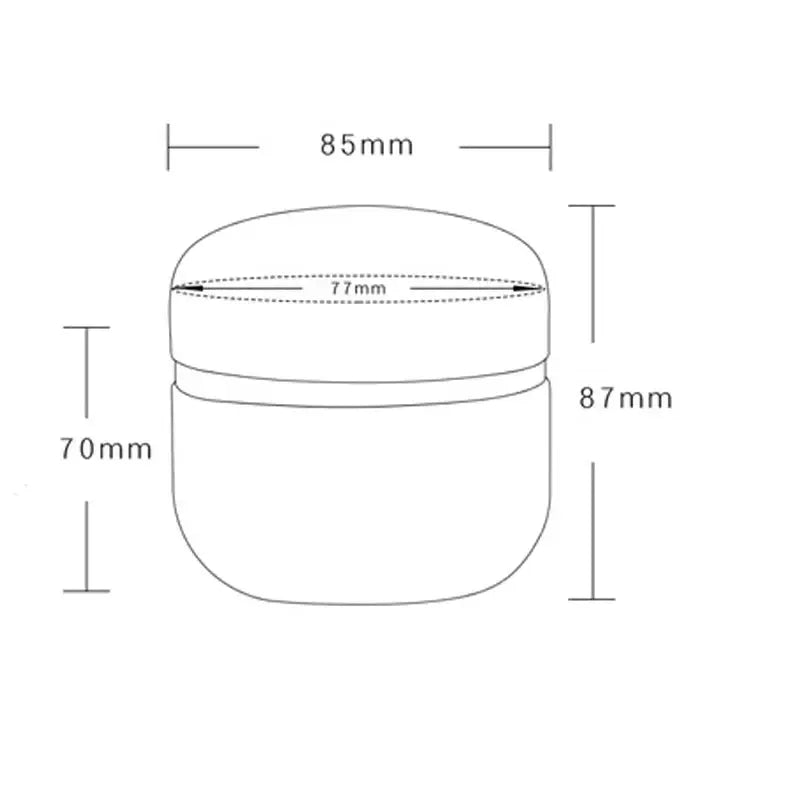
Selecting an urn begins with materials suited to your needs. Metal urns, such as stainless steel or brass, provide exceptional durability against moisture and time, often lasting generations with gentle care. Wood options, like hardwoods, bring a warm, natural presence but benefit from stable, dry environments to prevent warping. Secure closures, including threaded lids and gaskets, safeguard ashes reliably, ensuring peace of mind. Always check capacity: one cubic inch per pound of the person's pre-cremation weight. This practical guidance supports choices that feel right for you.
Symbolic Styles for Home or Scattering
Military-themed urns with subtle patriotic symbols evoke service and sacrifice, ideal for a quiet home altar beside Anzac mementos. Minimalist designs suit serene displays or eco-friendly scattering, such as during ANZAC Day sea services on Australia's Gold Coast, where families release ashes amid dawn reflections. For scattering on water, biodegradable options dissolve gently, respecting both tradition and nature. Explore ANZAC Day sea scattering traditions for inspiration. Personal symbolism, like engraved dates or emblems, adds profound meaning without overwhelming.
Keepsakes for Family Sharing
Keepsake urns and memorial jewellery allow loved ones to share remnants, fostering connection across distances. Small pendants or vials hold trace amounts, perfect for siblings or global families. Our range includes options for infants, children, and pets, with clear sizing.
Category |
Typical Capacity (cu in) |
Examples |
|---|---|---|
Infants |
10-50 |
Newborn (7 lb: ~10 cu in) |
Children |
50-150 |
Child (60 lb: ~70 cu in) |
Pets |
5-200 |
Small pet (5 lb: ~8 cu in) |
Keepsakes |
<7 |
Jewellery portions |
This chart, based on standard guidelines, eases selection.
Remembrance Haven offers worldwide shipping in discreet packaging, prioritizing your comfort. Each choice honors personal stories with quiet reassurance. Cremation rates worldwide reflect growing preference for such flexible memorials.
ANZAC Remembrance Trends in 2026
As ANZAC Day 2026 approaches its 111th anniversary of the Gallipoli landings, remembrance practices evolve with compassion for fading legacies. Families worldwide honor veterans through meaningful, personal tributes that blend tradition and gentle innovation. This year highlights renewed efforts to engage younger generations, sustainable choices, and the quiet urgency of time.
Youth Engagement and Reviving Participation
Attendance at dawn services has softened in recent years, yet 2026 brings hopeful shifts through structured youth involvement. The Australian War Memorial lists registered marches with cadet units from navy, army, and air force, fostering a sense of connection among the young. Events like youth parades draw students to lay wreaths and reflect, countering dips by passing stories of sacrifice forward. These initiatives create steady spaces for learning and quiet honor, ensuring the Anzac spirit endures softly across generations. For details on registered marches, see the Australian War Memorial's listings.
Eco-Conscious Memorials and Cost Considerations
Eco-options gain gentle prominence, such as tree urns that transform ashes into living memorials, symbolizing growth from service. Direct cremations offer savings of over $6,000 compared to traditional services averaging $8,045 in 2023, easing burdens during emotional times. These choices prioritize dignity and nature's calm embrace, with practical guidance on ash capacity and placement. They allow families to create serene, lasting remembrances without overwhelming complexity.
With only about 1,000 WWII veterans remaining per 2025 estimates, the call for timely honors feels poignant yet reassuring. High-quality, customizable urns for ashes provide a dignified vessel for veteran tributes, available in patriotic designs with secure, durable craftsmanship. At Remembrance Haven, our range supports worldwide families with clear sizing, materials suited to personal stories, and discreet global shipping. These keepsakes offer steady comfort, helping preserve legacies with respect and ease. For insights on enduring importance, read this analysis from The Conversation.
Takeaways for Meaningful Remembrance
Anzac Memorials, like the iconic site in Sydney's Hyde Park, serve as enduring anchors in our collective memory, honoring the sacrifices of veterans with quiet dignity. These public spaces inspire private acts of remembrance, where urns for ashes become intimate extensions of that legacy. Families can create personal tributes that echo the memorials' solemnity, keeping a loved one's presence close in everyday life.
A practical first step is verifying ash capacity: use the guideline of 1 cubic inch per pound of the person's body weight for adult urns. Explore online options like patriotic designs featuring flags or keepsake urns for divided ashes, ensuring secure, durable craftsmanship suitable for display or travel.
Consider Department of Veterans Affairs (DVA) benefits early, which may cover up to $2,000 for funerals or more for ADF members. Involve family in planning scattering in serene locations or home displays, fostering shared comfort.
Visiting Anzac Memorials pairs beautifully with crafting home tributes. This blend nurtures an ongoing, gentle connection, offering steady reassurance amid grief.
Conclusion
The Anzac Memorial encapsulates Australia's profound history, from its 1930s construction honoring World War I ANZACs to its architectural wonders like the Hall of Memory and eternal flame. It symbolizes sacrifice, resilience, and national unity, while serving as a vital gateway for understanding the nation's identity. Its enduring legacy shines through annual dawn services that unite generations in reflection and pride.
This deep dive delivers timeless insights into a landmark that transcends stone and sculpture, fostering a deeper appreciation for shared heritage. Visit the memorial in Sydney's Hyde Park, attend Anzac Day commemorations, or explore related histories to connect personally with these stories. By honoring the past, we ignite courage for tomorrow; step forward, remember, and carry the flame.