Skip to content

Buying small urns for ashes should be straightforward, but for most UK families it quickly becomes anything but. You search online, find dozens of options labelled "mini," "keepsake," or "token," and suddenly realise that no two suppliers seem to use these words in quite the same way. One retailer's keepsake urn holds a small pinch of ashes. Another's holds a generous portion. Without clear capacity guidance, it is genuinely difficult to know whether the urn you are ordering will actually hold what you need it to hold.
This guide is here to fix that. We are going to cut through the confusing terminology by giving you a simple, practical framework based on cubic inch capacity, the one measurement that actually tells you what an urn will hold. You will learn how to tell keepsake, mini, and infant urns apart, understand the most common reasons families choose smaller urns, and work through a clear checklist for ordering with confidence online. By the end, you will know exactly what to look for and exactly what questions to ask before you buy.
Why Small Urn Sizing Confuses So Many UK Buyers
If you have searched for "small urns for ashes" or "tiny urns for ashes" online, you have likely noticed something frustrating: the terminology varies widely from one supplier to the next. One retailer calls a product a "mini urn," another lists something almost identical as a "keepsake urn," and a third uses "miniature urn" for something different again. There is no shared industry standard behind these names, which means the labels alone tell you very little.
This matters practically. A "mini urn for ashes" from one supplier may hold significantly more ash than a "keepsake urn" from another, making side-by-side comparisons unreliable unless you look beyond the name.
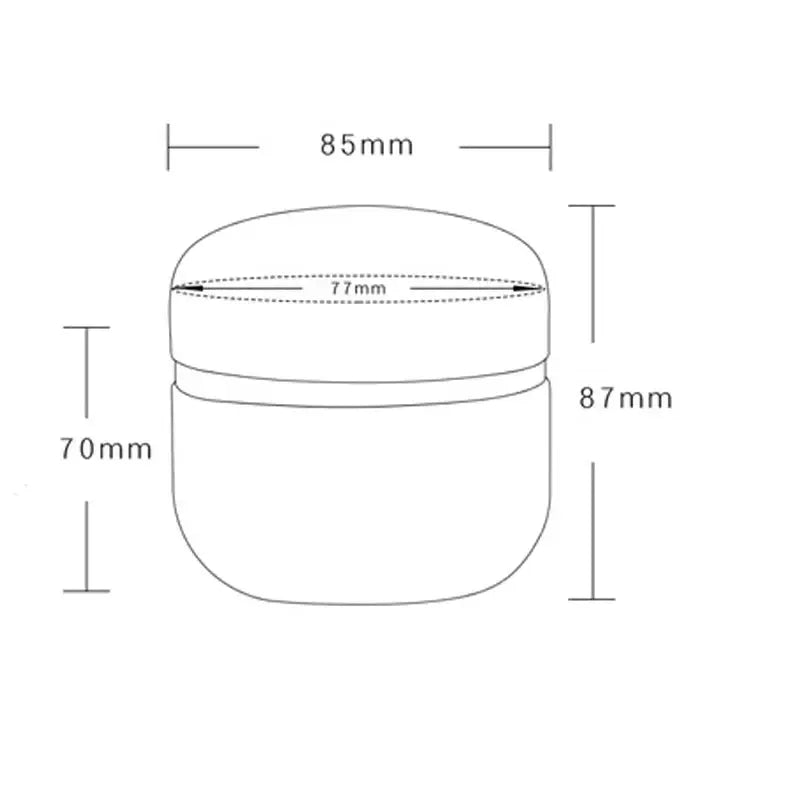
The other common difficulty is how size is communicated on product pages. Many listings describe an urn by its physical dimensions, height and width in centimetres, without stating the internal ash capacity in cubic inches. Physical dimensions give you a sense of how the urn will look on a shelf, but they do not tell you how much it will hold. Cubic inch capacity is the figure that actually matters when you are choosing a small urn to hold a specific portion of ashes.
None of this reflects any failure on your part. It reflects a genuine gap in how the memorial industry communicates sizing, and this guide is here to give you a clear, practical framework so you can shop with confidence.
The One Practical Rule That Makes Urn Sizing Simple
Once you have a cubic inch capacity to work with, sizing becomes straightforward.
A widely used rule of thumb in cremation memorial planning: one pound of body weight at the time of passing produces approximately one cubic inch of cremated ashes. Someone who weighed 150 lbs would yield roughly 150 cubic inches of ashes. A standard full-size adult urn holds around 200 cubic inches, allowing comfortable room for that variance.
When choosing a small urn to hold a portion of those ashes, the cubic inch capacity tells you precisely what fraction it can hold.
This rule is a practical starting point, not a precise guarantee. Actual ash volume varies depending on bone density, individual physiology, and the cremation process itself. When selecting a small urn, allow a small margin rather than choosing the exact capacity you calculate.
If you are unsure of the ash weight, contact your crematorium or funeral director and ask, they can usually provide an approximate weight from their records. Take that weight figure, apply the rule above, and you have a reliable working estimate for any small urn you are considering, whether that is a pet or keepsake ashes cremation urn or a portion urn for a person you loved.
The Three Small Urn Categories Defined by Capacity
Once you have that cubic inch estimate, use the stated cubic inch capacity as your primary filter when comparing small urns for ashes online.
There are three recognised capacity bands:
Infant urns (approximately 5–10 cubic inches) are designed for infant and pregnancy loss memorials. These pieces are crafted with particular care to reflect the significance of that loss.
Mini urns for ashes (approximately 10–25 cubic inches) suit a meaningful personal portion. They are most often chosen when ashes are being shared among several family members, or when the majority will be scattered or interred elsewhere and one person wishes to keep a portion close.
Keepsake urns (approximately 25–40 cubic inches) are the largest of the small urn categories. They suit someone keeping a more substantial portion at home, or when the urn will serve as a primary memorial for a smaller adult or child.
You can browse our range of cremation urns for ashes across adults, children, infants and pets to see capacity figures listed alongside each product.
These ranges reflect common industry practice. Individual products may fall slightly outside these bands, so always verify the specific cubic inch capacity on the product listing before purchasing.
Infant and Tiny Urns for Ashes: What They Hold and When to Choose One

Within the smallest capacity band, infant urns are a distinct and carefully considered category, crafted to recognise the profound loss they represent, whether for a baby, a young infant, or an earlier loss in pregnancy.
At 5–10 cubic inches, an infant urn is sized to hold a complete and full portion for the smallest and most precious of lives. This is important to understand: these are not a reduced version of a standard urn. They are a distinct, thoughtfully designed category in their own right. You can find cremation urns for child or infant ashes created with exactly this purpose in mind, designed to keep a treasured memory close in a way that feels fitting and healing.
Families choosing infant urns often look beyond traditional memorial styles. Soft colours, gentle natural forms, and motifs that carry personal meaning tend to feel more right for this kind of remembrance.
If you are unsure whether a specific urn will hold the full portion returned to you, ask your crematorium or funeral director for the approximate ash weight before you order. They can give you a figure that removes any guesswork.
Some families also choose a small coordinating keepsake or mini urn alongside the infant urn, so that ashes can be shared respectfully between parents or other caregivers, each keeping their own private and meaningful memorial.
Mini Urns for Ashes: Sharing, Travelling, and Keeping a Personal Portion
Moving into the mid-range, mini urns for ashes sit between roughly 10 and 25 cubic inches, and this capacity range turns out to be one of the most adaptable across different family circumstances.
Sharing ashes among family members is one of the most common reasons families choose mini urns. When several people wish to hold a personal portion, a set of miniature urns for ashes means each person can keep their own quiet, private memorial, wherever they are.
Keeping a portion while scattering or burying the remainder is another gentle middle path. A mini urn allows a family to honour a loved one's wishes for a scattering or burial, while still maintaining a tangible connection at home. Neither choice cancels the other.
For everyday placement or travel, the compact size is genuinely practical. A mini urn sits comfortably on a bedside table or a particular shelf, and travels discreetly when a family wants to carry ashes to a meaningful place. Discreet is not the same as hidden; it simply fits quietly into life.
When ordering online, check the cubic inch capacity and closure mechanism before purchasing, as covered in the checklist below, a secure, well-fitted lid matters more on a smaller urn that will be lifted and handled regularly.
Keepsake Urns: The Larger Small Urn for a More Substantial Portion
At the upper end of the small urn range, keepsake urns hold approximately 25 to 40 cubic inches, making them the right choice when someone wishes to keep a genuinely substantial portion of ashes at home.
Two situations come up most often. A partner or parent may keep a keepsake urn as their primary memorial while adult children each hold a smaller mini urn. Alternatively, a family might keep a keepsake urn at home while the majority of ashes are scattered or placed in a columbarium.
Because these urns are so often on display, they tend to be crafted with more ornamental detail than smaller options. Picture the space where it will rest: a shelf, a mantelpiece, a quiet corner. The design should feel right for that place and for the person it honours. Something like this gorgeous pet or keepsake cremation urn illustrates how considered design can make a keepsake urn a meaningful, lasting presence.
Natural wood brings warmth; placing it away from direct sunlight and high-moisture areas is generally sensible care for any wood finish.
Common Reasons Families Choose Small Urns for Ashes
Families come to small urns for many different reasons, and there is no single right way to use them.
As covered above, a set of mini urns makes sharing ashes among family members across different households possible, and the range of family circumstances this suits is wide.
Keeping a portion at home alongside a burial or scattering is equally common; as discussed, a mini or keepsake urn makes this possible without compromise on dignity or care, and the options for doing so thoughtfully are many.
Travelling with ashes suits families who want to carry a portion to a meaningful place, and as noted earlier a small, secure urn makes this far more practical, the circumstances that lead families to this choice are as varied as the places that hold meaning for them.
Memorialising a pet is also a reason many people find themselves here. Small urns in these capacity ranges suit cats, small dogs, and other beloved animals. Use the cubic inch calculation carefully, based on your pet's approximate weight, to choose the right size.
Creating a quiet memorial space at home needs nothing elaborate. A small urn on a shelf or mantelpiece can anchor a personal corner for remembrance on your own terms. You can browse memorial options by category to find something that feels right for the space you have in mind.
Materials to Consider for Small Urns in a UK Home
Once you have settled on the purpose and size of a small urn, material becomes the next practical consideration. Each option has real strengths worth knowing before you buy.

Ceramic and porcelain are among the most popular choices for small urns in UK homes. Ceramics and metal finishes are popular choices for display urns and are generally considered durable for indoor home settings. If you would like to see how ceramic options can complement a home setting, browse ceramic urns for cremation ashes that match your home's decor for a sense of the range available.
Metal urns in brass, aluminium, or pewter finishes offer excellent longevity and, importantly, tend to have strong, well-fitted closures. If the urn will be handled regularly or kept for many years, metal is a dependable choice.
Glass miniature urns can be a beautiful choice for their visual quality and the way light interacts with them. They suit a stable, sheltered spot rather than a busy surface, as glass is more fragile than other materials.
Whatever material you choose, always confirm the urn has a secure, well-fitted closure. Small urns for ashes tend to be moved and handled more than full-size urns, so a reliable seal genuinely matters.
A Practical Checklist for Ordering Small Urns for Ashes Online in the UK
Once you have a clear sense of the material you are working with, ordering becomes much more straightforward. Here is a simple checklist to work through before you buy.
Step 1: Confirm the ash weight. Contact your crematorium or funeral director and ask for the approximate weight of the ashes returned to you. This is your starting point for everything that follows.
Step 2: Calculate the portion you need. Decide what fraction of the total ashes this urn will hold. Multiply the total ash weight in pounds by that fraction to get the approximate cubic inches required. For example, a quarter of 120 lbs of ashes needs roughly 30 cubic inches of capacity.
Step 3: Filter by cubic inch capacity, not category name. When browsing small urns for ashes online, search for the specific cubic inch figure rather than words like "mini" or "keepsake." A listing with no capacity figure cannot be evaluated reliably, regardless of what it is called.
Step 4: Check the closure type. Look for a clearly described lid or closure mechanism. Threaded closures and secure-fit lids are preferable for urns that will be handled, moved, or kept somewhere accessible.
Step 5: Review the physical dimensions and material. Confirm the urn will fit comfortably in its intended space, and that the material suits that environment, as covered in the materials section above.
Step 6: Verify packaging and delivery. For small and delicate urns, check that the retailer offers protective packaging and tracked delivery. A trustworthy supplier will offer both as standard, without you needing to ask.
Choosing a Small Urn You Can Trust to Be Right
With your checklist in hand, you have everything you need to move forward with confidence.
The clearest way through the confusion of inconsistent terminology is to focus on cubic inch capacity rather than the name a retailer has chosen. Infant urns (5–10 cu in), mini urns (10–25 cu in), and keepsake urns (25–40 cu in) cover the full range of small urn needs, and each band can be matched directly to your intended use once you know the portion you wish to hold.
There is no urgency here. Take the time you need. The right urn is simply the one that feels fitting for the person you are remembering and the way you wish to honour them.
If questions about sizing or capacity arise as you browse, look for retailers who list cubic inch specifications clearly and make it easy to get in touch. Transparent product information, with straightforward ways to ask for help, is one of the most reliable signs that a supplier can be trusted to support you through this decision with care.
Conclusion
Choosing a small urn for ashes does not need to feel overwhelming. Keep these takeaways close as you move forward: capacity in cubic inches is the only reliable guide, materials and finish should suit both the setting and the person being remembered, and transparent retailers who list specifications clearly are the ones worth trusting.
You now have the knowledge to browse with confidence, ask the right questions, and make a decision that feels genuinely right.
The right small urn is out there. Browse by capacity at Remembrance Haven to find the urn that fits both your figures and your heart.